On This Page
Get Free Solar Quotes
Compare local installers and save on your energy bills
- Free consultation with solar experts
- Compare financing options
- Local installer matches
 EcoSolargy
Explore Solar Incentives, Compare Solar Options, and Understand Zero-Down Solar
Going solar should feel clear, not confusing. EcoSolargy helps homeowners understand how solar works, what affects cost, which financing paths exist, and how to compare installation options with more confidence.
Whether you are trying to understand solar incentives, compare ownership against no-upfront-cost plans, or make sense of what "free solar panels" really means, EcoSolargy breaks the process down in plain language so you can make a smarter decision for your home.

Free Consultation
Talk through your solar options at no cost.
Clear Guidance
Understand incentives, financing, and installation paths without the usual confusion.
Savings Insight
See how solar economics can change based on your home, energy use, and local utility rules.
A Smarter, Clearer Way to Go Solar
Why Homeowners Need Better Solar Guidance
Most homeowners start in the same place. They want to know how much solar may cost, whether any incentives are still available, what zero-down solar actually means, and whether a local installer is worth trusting.
The problem is that many solar pages are either too technical or too sales-heavy. They push an offer before they explain the basics. EcoSolargy takes the opposite approach. We start with the questions that matter most, explain the tradeoffs clearly, and help you compare your options before you decide what to do next.
Solar Decisions Are More Local Than They First Appear
Solar is a national topic, but the details are rarely the same from one homeowner to another. Electric rates, utility compensation rules, installer coverage, weather patterns, financing offers, and local incentive programs can all change the value of a solar project.
That is why the right solar decision is not just about panels. It is about understanding the full picture: system design, ownership structure, utility policy, long-term savings, and the practical realities of your home.
What "Free Solar Panels" Really Means
Why the Phrase Causes Confusion
"Free solar panels" is one of the most common solar searches in the U.S., but the phrase is often misunderstood. In most cases, it does not mean a homeowner receives a solar system at no cost to own.
What it usually means is that the system can be installed with little or no money due upfront
through a financing structure such as a solar lease or a power purchase agreement, also called a PPA.
What Homeowners Are Usually Comparing
When people look for free solar or no-upfront-cost solar, they are usually comparing three different paths.
One path is ownership, where the homeowner buys the system directly with cash or finances it with a solar loan.
Another path is a solar lease, where the homeowner pays a fixed monthly amount to use the system while the solar company typically keeps ownership.
The third path is a power purchase agreement, where the homeowner pays for the electricity the system produces rather than paying for the system itself.
Why Ownership Still Matters
The key question is not whether an offer sounds free. The key question is who owns the equipment, how monthly payments work, how utility savings are shared, and what the long-term economics look like.
Those details shape whether solar feels like a strong financial fit. EcoSolargy helps homeowners compare those paths clearly so the decision is based on real terms, not marketing language.
How Homeowners Save With Solar
Savings Can Come From More Than One Place
Lower electric bills are often the biggest reason homeowners start looking into solar, but they are not the only factor. Solar value can also be shaped by financing terms, local incentive programs, utility bill credits, exported energy compensation, and the amount of power a system is expected to produce over time.
Some homeowners care most about long-term ownership value. Others want lower monthly energy costs right away. Some want more predictable electricity costs over time. The best path depends on the goal as much as the system.
What Usually Has the Biggest Impact on Value
In practice, solar economics are shaped by a few major variables. Your roof and shading affect production. Your household electricity use affects how much of the system's output you can actually use. Your utility's billing rules affect how exported power is valued. Financing affects how quickly savings show up and who keeps the long-term financial upside.
That is why two homes with similar roofs can still have very different outcomes. One homeowner may benefit from stronger utility credits or better financing. Another may see weaker economics because of higher installation costs, lower usage offset, or less favorable export rules.
Solar Incentives and Solar Rebates Can Change the Cost
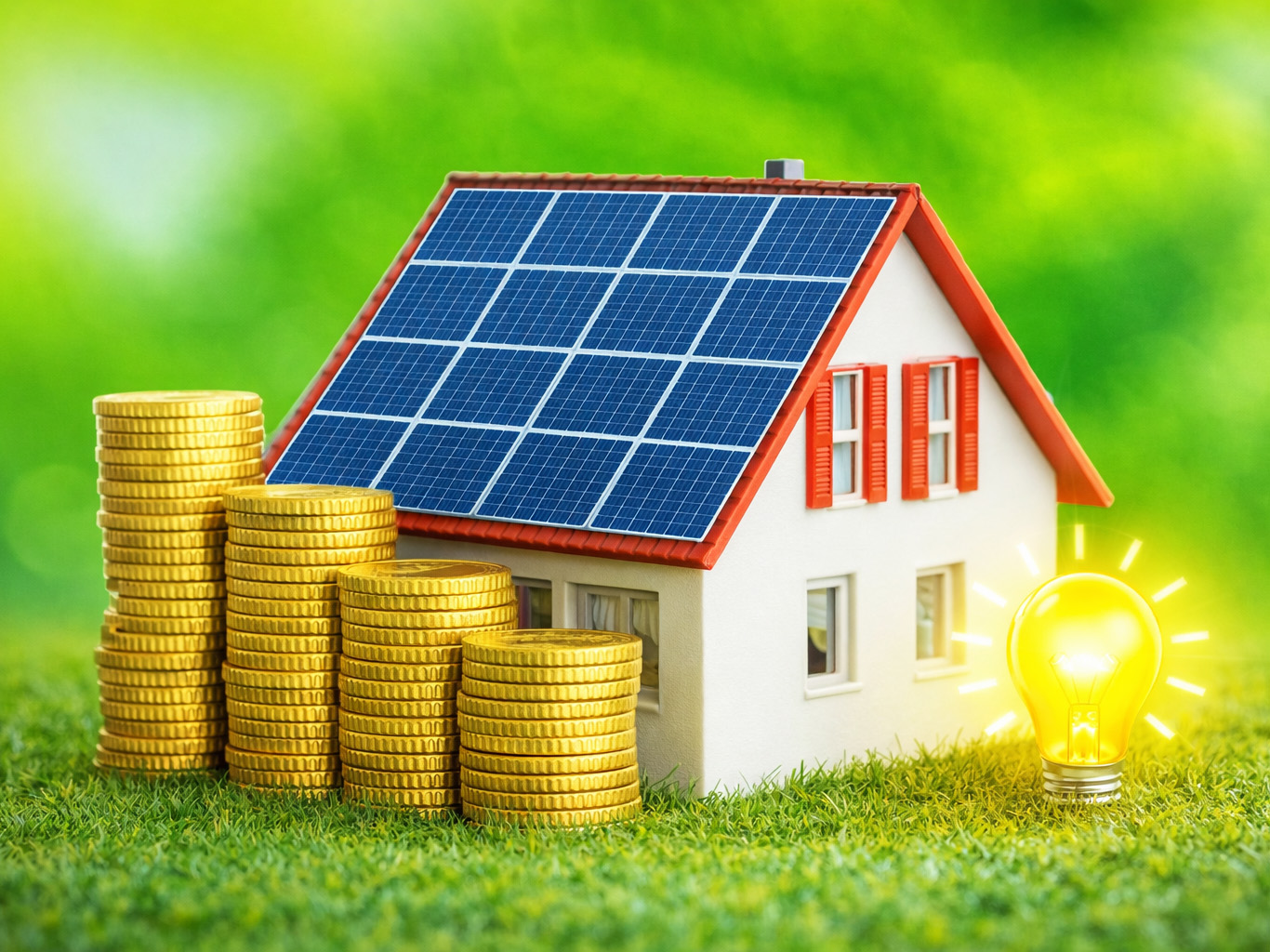
Incentives Shape the Real Economics of Solar
When people first compare solar, they often focus on panel price alone. That is understandable, but it does not tell the full story. The real cost of going solar can be affected by tax treatment, utility compensation rules, local incentive programs, and project-specific factors such as roof complexity and installation scope.
The cost conversation is also broader than equipment. IRS guidance has long treated qualifying installation-related costs as part of eligible clean-energy expenditures in qualifying cases, which is one reason detailed proposal review matters so much.
Why Utility Policy Matters So Much
Many homeowners focus first on rebates because rebates are easy to understand. In reality, utility policy can matter just as much over the life of a system. Net metering, net billing, export rates, and other compensation structures can all change how much solar power is worth after it is generated.
That means two systems with similar installation costs can still deliver very different financial results depending on the utility and the service area.
Why Local Programs Still Matter
Across the U.S., incentive availability varies widely. DSIRE remains one of the main nationwide resources for tracking state, local, and utility clean-energy incentives and policies, which is a good reminder that the best solar option is not always the most advertised one.
For some households, rooftop ownership may offer the strongest long-term value. For others, a lower-upfront-cost financing structure or a local shared-energy option may make more sense. The right answer depends on the actual offer, the utility environment, and the condition of the home.
Federal Tax Credit Update for Homeowners
What Changed in 2026
As of January 1, 2026, the federal Residential Clean Energy Credit is no longer available for homeowners who place qualifying residential solar property in service after December 31, 2025. IRS guidance states that the credit applied to qualifying property installed from 2022 through the end of 2025 and is not available for property placed in service after that date.
That means homeowners who buy and own a solar system outright through cash or a loan should no longer assume a personal 30% federal tax credit is part of the equation for systems placed in service in 2026 and later.
What Still Applies to No-Upfront-Cost Offers
Many no-upfront-cost solar offers are built around third-party ownership models such as leases and PPAs. In those structures, the homeowner typically does not own the system. Instead, the provider owns the equipment and the homeowner either pays a monthly lease amount or buys the electricity the system generates under contract.
DOE guidance describes PPAs as arrangements where a developer designs, finances, installs, and owns the system, often with little to no upfront cost for the host customer.
This is one reason homeowners still see "zero-down" or "free solar" offers in the market. The offer is usually not free ownership. It is a financing model designed to reduce the upfront barrier to entry.
What This Means for Homeowners Today
If you are considering ownership, your comparison should focus on installation cost, projected production, utility savings, financing terms, warranty coverage, and long-term value.
If you are considering a lease or PPA, your comparison should focus on contract length, escalators, electricity rate structure, transfer terms, service responsibilities, and projected savings against your utility bill.
Either way, state, local, and utility-level solar policies now matter even more when comparing total value.
Compare the Main Ways to Go Solar

Solar Loans, Leases, and PPAs
Once you understand how incentives and local policies can affect solar costs, the next step is looking at how the system itself is paid for. Whether you want ownership, lower upfront cost, or a simpler way to get started, understanding the differences between solar loans, leases, and power purchase agreements can help you make a better decision.
EcoSolargy explains these main paths in a clear and practical way so homeowners can compare them with more confidence and see how financing structure can shape both short-term affordability and long-term value.
Solar Loans
A solar loan allows a homeowner to finance a system over time rather than paying the full cost upfront. This option often appeals to households that want to own the system and keep the long-term value that ownership may provide.
Ownership can matter because it affects who controls the asset, who benefits from long-term bill reductions, and how the economics work over time. DOE notes that solar loans can reduce the upfront cost of a purchased system and, in many cases, may allow savings to begin from the start.
For homeowners exploring zero-down installation, a loan may be one way to install solar with little or no money due at signing, depending on lender terms and the installer's offer.
Solar Leases
A solar lease usually gives the homeowner access to a solar system installed on the property while paying a fixed monthly amount to the provider. In most lease structures, the solar company owns the equipment.
This can appeal to households that want a lower entry barrier and a simpler monthly structure. The tradeoff is that the homeowner is paying to use the system rather than purchasing it outright, which can affect long-term value and flexibility.
Power Purchase Agreements (PPAs)
A power purchase agreement is another third-party option. Instead of paying for the system itself, the homeowner agrees to buy the electricity the system produces at a set contract rate.
DOE describes PPAs as arrangements that can be installed with little to no upfront cost, with the host customer purchasing the generated electricity over the life of the agreement.
For some homeowners, that makes a PPA an attractive entry point. The main questions are whether the contract rate is competitive, how future utility prices may change, and what the agreement looks like if the home is sold.
Which Option Is Best for Your Home
There is no universal answer. Some homeowners want ownership and long-term control. Others care most about lower upfront cost, simple payments, or avoiding maintenance responsibility.
The best decision comes from comparing the real structure of each offer. EcoSolargy helps homeowners do that without turning the process into a sales pitch.
Why Zero-Down Solar Gets So Much Attention
The Starting Cost Is Often the Biggest Barrier
For many households, the biggest obstacle is not interest in solar. It is the idea of paying thousands of dollars upfront. That is why zero-down solar and no-upfront-cost solar are such common searches.
Not Every Zero-Down Offer Works the Same Way
That label can describe very different products. One offer may be a loan. Another may be a lease. Another may be a PPA. Each one changes ownership, payment structure, and long-term savings in a different way.
That is why the headline matters less than the contract. EcoSolargy helps homeowners compare the structure behind the offer so they understand what they may gain, what they may give up, and what questions they should ask before signing.
Looking for No Credit Check Solar?
Why Some Homeowners Search for It
Some homeowners search for no credit check solar because they want to know whether solar may still be possible if financing is a concern or if traditional lending is not an ideal fit.
The Better Way to Evaluate These Offers
The right way to evaluate any such offer is to look closely at the actual terms. Requirements vary by provider and program. Not every offer is structured the same way, and not every homeowner will qualify for the same options.
What matters most is not the headline alone. It is whether the pricing, contract length, monthly obligation, and long-term economics make sense for your household.
EcoSolargy helps homeowners take a practical view by focusing on the details that matter before an application starts.
Solar Installation Starts With the Right Plan
What to Expect From a Home Solar Installation
A residential solar project usually starts with the property itself. Roof size, roof condition, shading, panel placement, energy use, electrical setup, and local utility requirements all influence what a workable system looks like.
A strong project starts with an honest review of those conditions. It does not start with a one-size-fits-all promise.
Site Review, Design, and Approval
Most installations begin with site evaluation and a proposed system design. From there, the process often moves through permitting, utility coordination, approvals, and scheduling. The timeline can vary based on the installer, the jurisdiction, and the utility.
A good installer should be able to explain each stage clearly and tell the homeowner what to expect before installation begins.
Installation and System Activation
Once approvals are in place, the physical installation can move forward. After equipment is installed, the system may still need inspection, utility sign-off, or final authorization before it can begin operating.
That is one reason installer quality matters so much. Good execution depends on planning, communication, workmanship, and follow-through, not just hardware.
Compare Solar Installers Near You
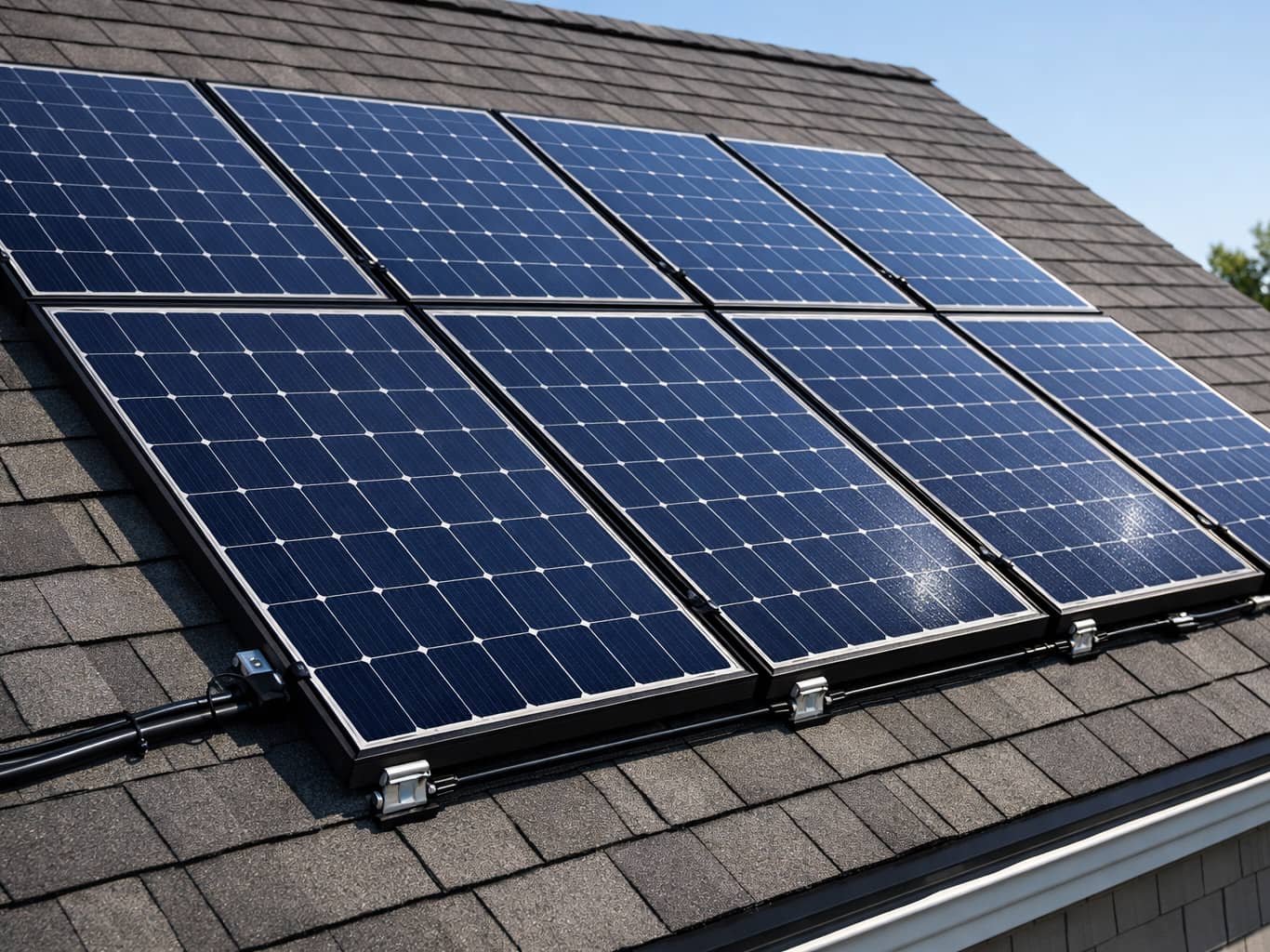
Why Installer Choice Matters
The company that installs a solar system can have a major impact on the homeowner experience. Two quotes may look similar at first glance while being very different in design quality, warranty structure, support level, and project execution.
Homeowners who search for solar installers near me are usually looking for more than a low price. They want a provider that explains the process clearly, presents a realistic proposal, and offers a system that makes sense for the home.
What Homeowners Should Compare
A useful solar comparison should go beyond the headline offer. It should include expected system production, equipment details, financing structure, warranty coverage, installation timeline, and the level of support offered during and after the project.
EcoSolargy helps homeowners compare local solar options with more clarity so they can evaluate proposals more confidently.
Local Solar Research Starts With Better Questions
A large share of solar searches are local
because solar decisions are local by nature. Homeowners want to know which companies serve their area, what utility rules apply, and what options may fit their home.
Why Local Conditions Matter
Electric rates, permitting, installer coverage, utility compensation rules, and available programs vary by area. DOE notes that most states have net metering rules of some kind, but the details differ, and those details can shape long-term project value.
That is why local context matters as much as national guidance.
Explore Options That Fit Your Area
EcoSolargy helps connect homeowners with solar options that make sense for their location. Whether you are just beginning your research or ready to compare quotes, the goal is the same: better information, clearer expectations, and a more informed next step.
What to Look for in a Solar Installation Company
Clear Proposals and Realistic Expectations
A reliable installer should present realistic production assumptions, clear pricing, understandable financing terms, and a straightforward explanation of how the project will move from proposal to activation.
Strong Communication and Good Support
Homeowners often judge a solar company by how well it communicates. Clear answers, timely updates, and honest expectations can make the process much easier to manage.
Equipment, Warranties, and Long-Term Fit
A strong solar decision should also consider equipment quality, warranty structure, service support, and how well the proposal fits your long-term goals. The best offer is not always the one with the most aggressive headline. It is the one that holds up when the details are compared carefully.
Why Homeowners Use EcoSolargy
Clear Help Without the Noise
EcoSolargy is built for homeowners who want a simpler way to explore solar. We believe solar content should be useful, readable, and grounded in the questions people actually ask.
Practical Support for Comparing Real Options
That means explaining incentives in plain language. It means clarifying the difference between ownership and third-party solar. It means helping homeowners compare no-upfront-cost offers, financing paths, and installation choices without pushing one answer for everyone.
A Homeowner-First Approach
Some people come to EcoSolargy because they want to reduce electric costs. Others want cleaner energy, more predictable bills, or better long-term planning. Whatever the goal, our role is the same: help you understand the options and move forward with more confidence.
How EcoSolargy Helps You Get Started
Step One: Understand What May Apply
Start by understanding the factors that shape solar value for your home. That includes incentives, financing structure, local utility rules, installer availability, and the likely path from proposal to activation.
Step Two: Compare the Right Options
Next, compare your options according to your goals. You may want ownership and long-term value. You may want lower upfront cost. You may want to compare installer proposals, financing terms, and projected savings side by side.
Step Three: Move Forward Only When You Are Ready
The final step is moving forward on your timeline. EcoSolargy is designed to make that process clearer by giving homeowners better information before they commit.
Solar Options by State
Solar incentives, regulations, and local programs vary by state and region. Explore state-specific solar options near you.
West
Southwest
Midwest
Southeast
Northeast
Frequently Asked Questions About Solar
Get answers to the most common questions homeowners ask about going solar
Explore Solar With More Confidence
Make a Better-Informed Solar Decision
Solar is a major home decision, and you should not have to figure it out through scattered information and unclear offers. EcoSolargy helps bring the important parts together in one place.
Learn how solar incentives may affect cost. Understand the difference between ownership and third-party plans. Explore free solar claims with more clarity. Compare zero down solar and no upfront cost options. Review solar installation paths. Find solar installers near me and solar panel installation near me with a better understanding of what to look for.
When you are ready, EcoSolargy helps you take the next step.
Sources & References
Internal Revenue Service
U.S. Department of Energy
Federal Trade Commission